})
Can t tell vertical and horizontal electric wall thickness systems apart Key differences explained in one article
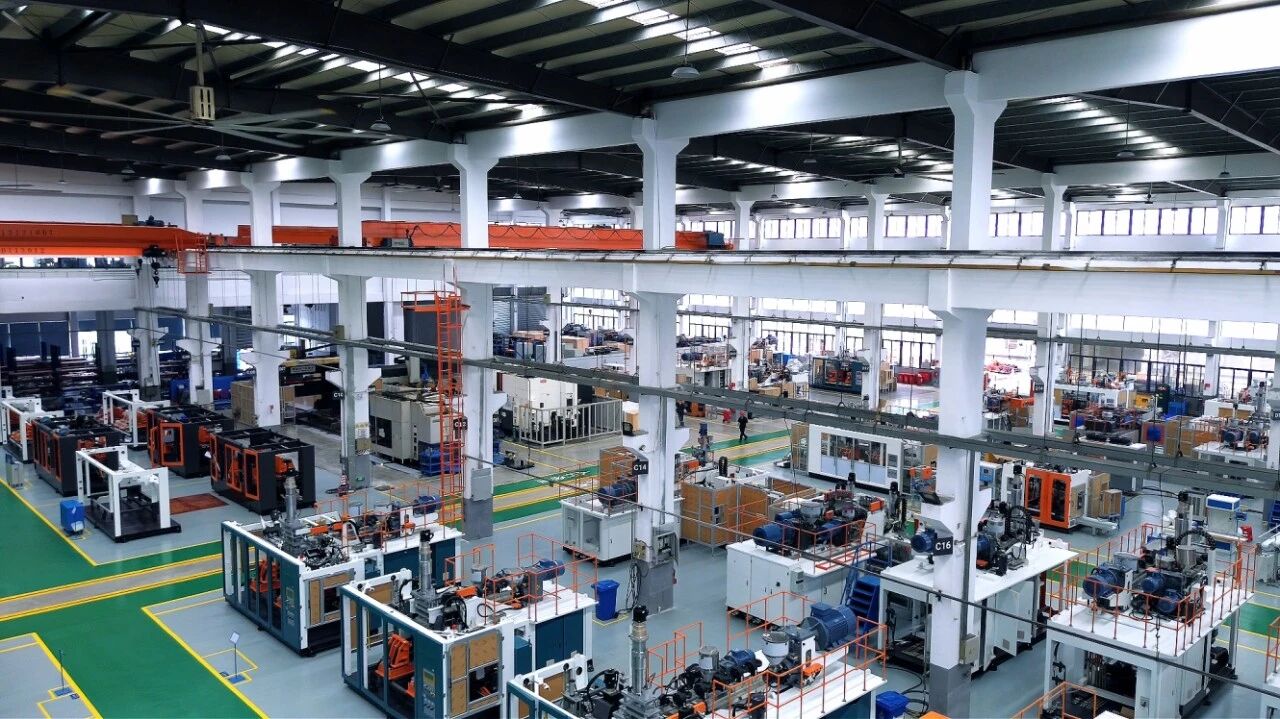
Vertical VS Horizontal Electric Wall‑thickness Control Analysis
Many customers engaged in hollow blow molding will run into a problem when selecting an electric wall‑thickness control system.
What exactly are the differences between vertical electric wall‑thickness control and horizontal electric wall‑thickness control? Both are electric wall‑thickness systems, so why are their equipment structures different?
In fact, they share the same core objective — to dynamically adjust the parison wall‑thickness by precisely controlling the die gap. The real differences mainly lie in the structural layout of actuators, transmission modes, and matching compatibility with the die head and complete machine.
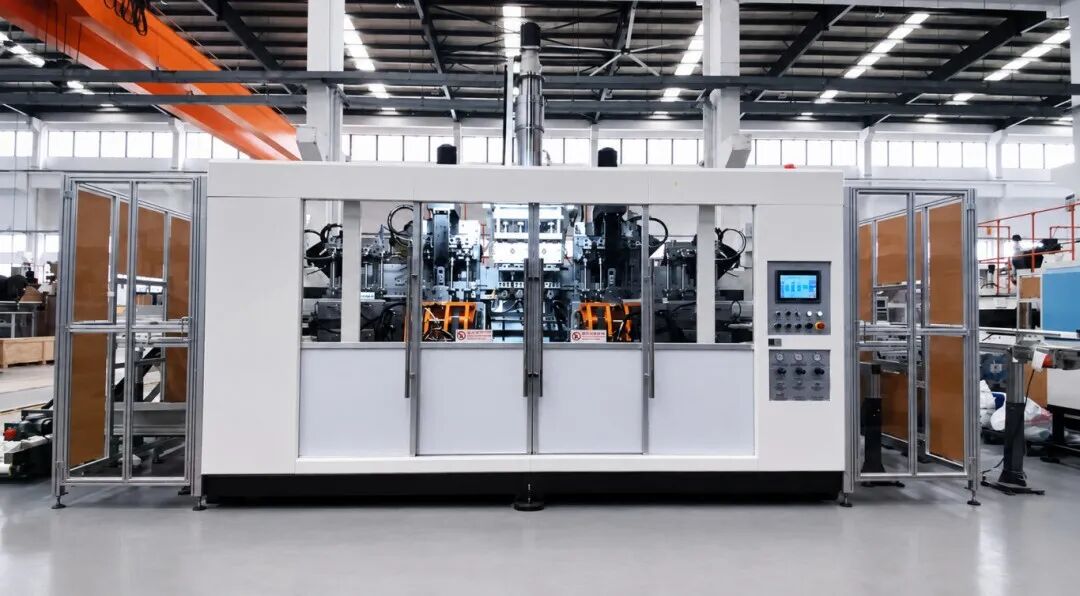
Both are electric wall‑thickness controls, why are they divided into vertical and horizontal types?
1、Vertical Electric Wall‑thickness Control
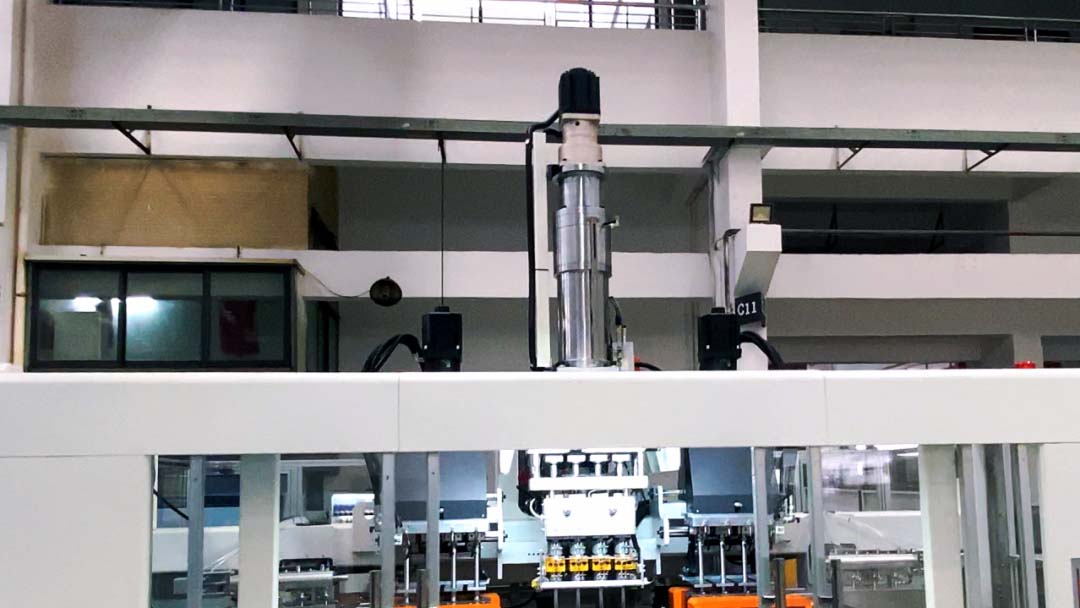
For vertical electric wall‑thickness control, the actuator adopts a mostly vertical layout and is integrated with the die‑head structure.
Driven by servo motors, the mandrel or related adjusting components change position to achieve precise adjustment of the die gap. Its main features are as follows:
01 Intuitive Actuator Layout The matching relationship between movement direction and die‑head structure is clear, facilitating overall structural design and die‑head integration.
02 Customizable Design The wall‑thickness actuator can be specially designed according to the die‑head structure and overall equipment layout.
03 Compatible with Various Equipment Sizes Especially for large‑scale hollow blow‑molding machines, factors such as die‑head dimension and equipment height will affect the layout of wall‑thickness control mechanism, so the overall structure shall be comprehensively considered.
2、 Horizontal Electric Wall‑thickness Control
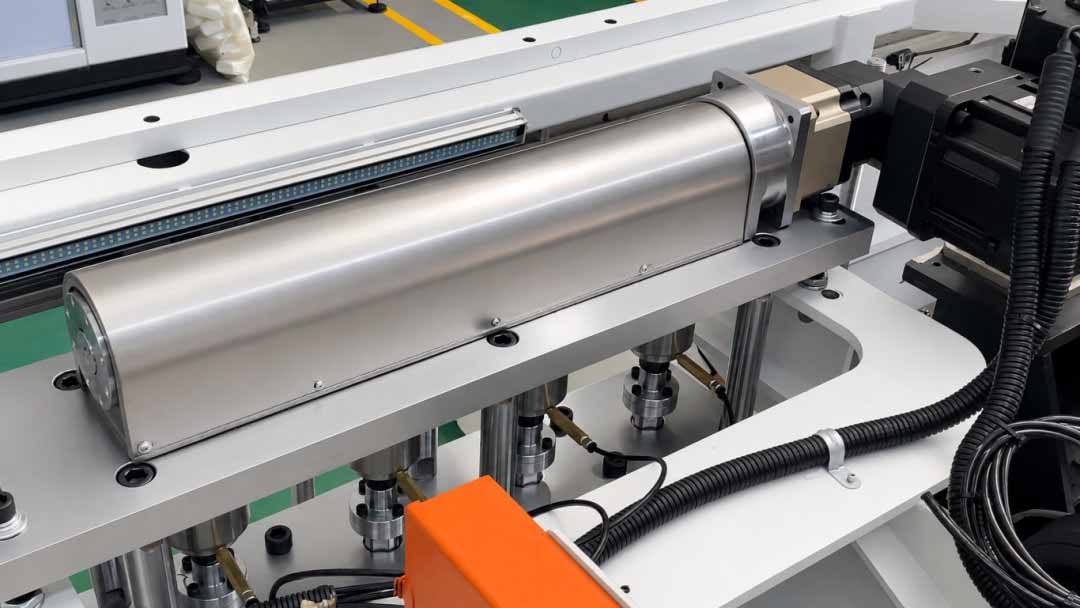
Horizontal Electric Wall‑thickness Control adopts an actuator layout mainly in the horizontal direction.After the servo motor outputs motion, the movement is transmitted to the die‑head adjusting components through corresponding transmission mechanisms to achieve dynamic control of the die gap.
Its main features are reflected in:
01 Flexible Space Layout Combined with the complete‑machine structure, the horizontal layout can make better use of equipment space.
02 Compact Structure For some equipment configurations, the horizontal layout optimizes the utilization of equipment space.
03 Adaptable to Different Machine Models Different structural design solutions can be adopted according to the die‑head structure, equipment space and product requirements.
Vertical VS Horizontal: Which One Is Better?
In fact, there is no absolute "better one".
Essentially, vertical and horizontal types are two different structural layout solutions. The wall‑thickness control performance is determined not merely by vertical or horizontal configuration, but also by the following factors: product structure, raw material properties, wall‑thickness requirements, die‑head structure, wall‑thickness actuator